Local Expertise
How We Execute AC Repair in Overbrook
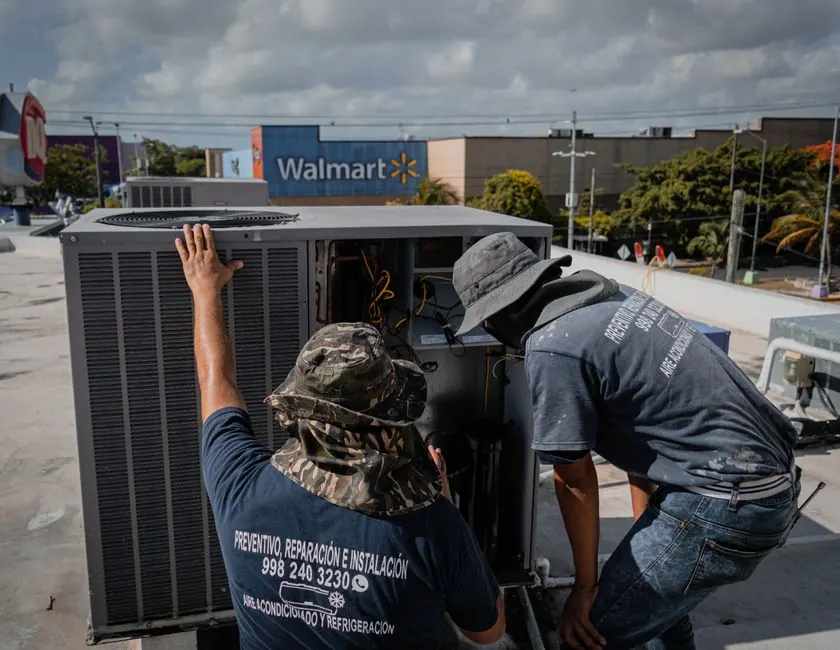
Executing AC repair in Overbrook means planning around narrow, tree-lined streets, older homes with crawlspace or attic air handlers, and parking that can be tight near McPherson Park. We route trucks through ZIP 29609 and 29601 daily, so we know which blocks have alley access and which require a longer hose run. Our technicians carry EPA Section 608 certification and follow South Carolina HVAC contractor license requirements, including proper refrigerant handling for R-410A, R-32, and legacy R-22 systems. When we arrive, we start with a full diagnostic: manifold gauge set on the service ports, clamp meter on the compressor common wire, and a visual inspection of the capacitor, contactor, and coils. We check the condensate drain line for clogs, test the thermostat, and verify airflow at the return. If you need emergency air conditioning repair Overbrook homeowners can count on, we prioritize calls where indoor temperatures exceed 80 degrees or where infants, elderly residents, or pets are at risk. Most repairs finish in one visit because we stock common parts for Carrier, Trane, Lennox, Goodman, Rheem, York, American Standard, Amana, Daikin, Mitsubishi Electric, Bryant, and Payne systems. Before we leave, we run the system for at least 15 minutes, confirm the temperature split, and walk you through what failed and what we did.
1
Older homes with undersized or original ductwork
We measure static pressure and airflow at each register before assuming a refrigerant problem. If ducts are the issue, we seal accessible leaks, adjust dampers, and recommend targeted duct improvements rather than pushing a full replacement.
2
Heavy pollen and leaf debris clogging condensers
We clean condenser coils with a coil cleaning pump sprayer and fin comb, then straighten bent fins. For homes under heavy canopy, we recommend a seasonal coil cleaning each spring and fall to keep airflow high.
3
Tight parking and narrow streets near McPherson Park
We plan routes to avoid peak parking times, carry compact diagnostic tools, and use longer hoses when needed. If access is tight, we park legally and walk equipment in rather than blocking driveways or alleys.